The Complete Handbook to Buying Pre-Owned Used Vehicles
Buying a used car can be an intimidating experience, particularly with the vast array of choices available in the modern market. The rising popularity of certified pre-owned vehicles offers buyers additional confidence, but it's crucial to know how to handle the process properly. Whether you're a first-time buyer looking for your perfect vehicle or a veteran shopper wanting to maximize your spending, having the appropriate information at your disposal can make all the distinction.
In this comprehensive guide to purchasing used cars in the upcoming year, we will discuss all the essentials you need to know to make educated decisions. From recognizing the key distinctions between certified and non-certified choices to handy tips for assessing potential purchases, we aim to arm you with the insight needed to find reliable vehicles that match your price range. Moreover, we will cover typical pitfalls to avoid, the best places to buy, and how to secure the best financing options. Let's jump into this journey of finding your ideal used car.
Crucial Advice for Selecting Second-hand Cars
While shopping for a used car, you should to do comprehensive research prior to any decisions. Start by identifying your budget and the type of vehicle that meets your needs. Consider factors like size, fuel efficiency, and reliability. Utilize web-based resources to examine prices and read reviews of different models. This will help you comprehend the market and set realistic expectations.
Subsequently, always prioritize a comprehensive inspection of the vehicle. Check not just the exterior and interior condition, but additionally its mechanical parts. Look for indications of wear and tear, and ensure that everything functions properly. If you feel uncertain about your ability to assess a car's condition, consider bringing in a mechanic to inspect it. This step can save you from future headaches and unexpected repair costs.
Ultimately, be ready to negotiate the price. Understanding the typical market value of the specific make and model will give you leverage in discussions with the seller. Don't hesitate to walk away if the deal doesn't seem favorable; there are numerous options out there. Patience and tenacity are your best friends in finding a quality used car at a fair price.
Understanding Certified vs Non-Certified Vehicles
As considering the buying of a used car, grasping the disparity between authorized and unauthenticated vehicles is vital. Authorized used (CPO) cars have completed a thorough check process by the producer or an licensed dealer, confirming they meet particular quality standards. Check out here come with a protection plan that extends the maker’s coverage, providing extra peace of mind for buyers. On the other hand, non-certified vehicles might not have completed such comprehensive checks, and while they can often be more budget-friendly, they may carry more potential issues regarding reliability and needed repair needs.
One of the key benefits of choosing a authorized vehicle is the certainty that it has been examined and rehabilitated to meet particular criteria, which often includes a restricted number of miles and a clear title. This process typically addresses any little issues that could arise in unapproved cars, making CPO vehicles a more desirable option for those who want confidence in their purchase. Additionally, several certified programs include various perks such as roadside support and vehicle history reports, which can enhance the overall ownership experience.
Conversely, unauthenticated vehicles can offer significant savings and may be best for buyers on a restrictive budget. However, it is important to be cautious when opting for these cars, as they may not come with any protection plan and could require more immediate repairs. To lessen risks, buyers should perform a thorough inspection, review all available history reports, and possibly have a trusted mechanic inspect the vehicle before finalizing a transaction. Understanding these differences helps buyers make wise decisions that correspond with their needs and budgetary constraints.
Funding and Discussing Your Used Vehicle Acquisition
When it comes to financing a second-hand car, it is essential to consider all your choices to get the most favorable agreement. Start by getting pre-approved for a loan through a bank, as this gives you a clear idea of your financial limits and improves your bargaining power. Look into financing through the dealership options, but be cautious of interest rates that could be greater than those offered by your financial institution. Comparing financing options will help you understand the total cost of the vehicle over time, including costs, which can significantly affect your overall purchase.
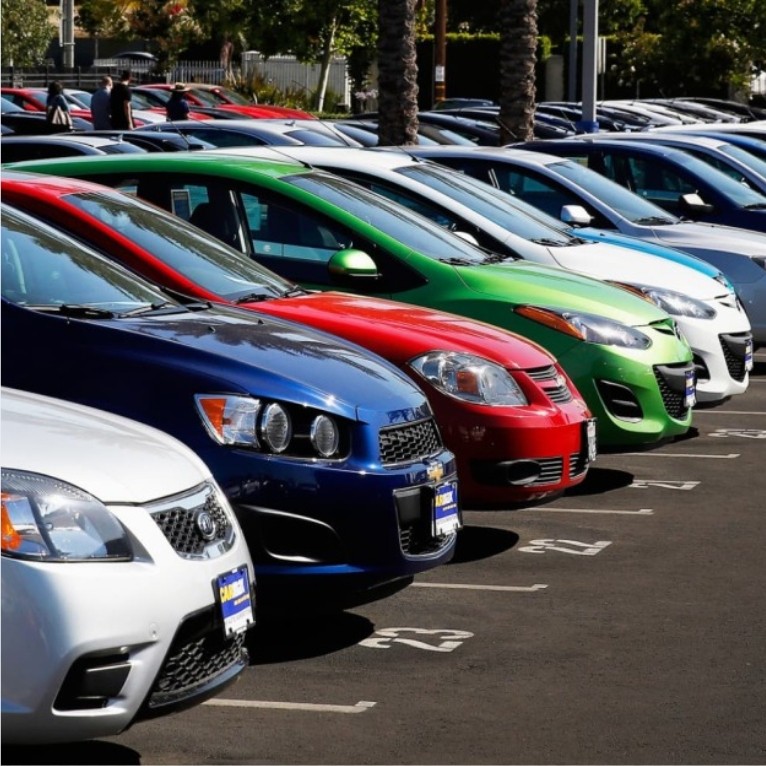
Bargaining is a key aspect of the used car purchasing process. Do your research ahead of time to find out the fair market value of the car you are interested in, taking mileage count, state, and demand into account. When engaging in bargaining, start with a decreased offer based on your findings, and be prepared to support it. Remember to remain patient and patient, as effective negotiation skills can lead to a superior offer. Don’t be afraid to back off if the dealer is not able to meet your terms, as this demonstrates your commitment and may prompt them to think it over.
Lastly, understanding the importance of extended guarantees and extras can play a factor in concluding discussions. While an extended guarantee may seem advantageous, consider whether it fits your demands and if you can bear it on top of your car purchase. Be cautious of additional offers during the financing process, as dealers may try to add more services that inflate the overall price. By following your spending limit and being aware about your financing options, you can navigate the process confidently and obtain a pre-owned vehicle that satisfies your requirements without going over budget.