Remain Cool Under Pressure: Picking the Best Cooling System for Your Enterprise
When it comes to running a thriving enterprise, maintaining a comfortable indoor environment is crucial. A properly operating commercial air conditioning system plays a vital role in keeping your employees productive and your customers happy. However, navigating the domain of commercial air conditioning can be daunting, especially with numerous options to choose from. This guide aims to provide you with everything you need to know about selecting the appropriate AC system for your business, ensuring that you stay comfortable under pressure.
In this comprehensive presentation, we will discuss the key differences between business and residential air conditioning systems, the advantages of putting in commercial AC, and the strategies to enhance energy efficiency. If you are planning to upgrade your current system or set up a new one, comprehending the distinct aspects of commercial air conditioning will empower you to make informed decisions that beneficially impact your operating environment. Let's take a closer look at the ultimate guide to commercial air conditioning systems and learn how you can create a pleasant workspace.
Determining the Best Commercial Air Conditioning System
Choosing the appropriate business air conditioning system is crucial for maintaining a pleasant and efficient environment in your business. Begin by evaluating the particular cooling needs of your facility, considering elements such as square footage, the number of occupants, and the type of machinery or activities taking place. This first evaluation will help you establish the required capacity of the system, usually measured in British Thermal Units or tons, ensuring you choose a unit that efficiently cools your company without being too or under powered.
Another significant aspect to consider is the type of air conditioning system that most matches your business model. Multiple options are available, including rooftop units, split systems, and variable refrigerant flow (VRF) systems. Rooftop units are perfect for big buildings with restricted floor space, while split systems are better for smaller office arrangements. VRF systems offer versatility and energy efficiency, making them a frequent choice for businesses seeking to optimize operational costs while catering to diverse cooling needs across different areas.
Finally, energy efficiency should be a major priority when choosing your commercial air conditioning system. Look for units that have elevated SEER (Seasonal Energy Efficiency Ratio) ratings, as they consume less power and lead to reduced energy bills over time. Additionally, consider the long-term maintenance needs and operational costs associated with various models. Investing in a dependable and efficient air conditioning system merely improves comfort but can also lead to considerable savings and enhanced productivity in the workplace.
Benefits and Upkeep of Business AC
Implementing commercial air conditioning systems brings numerous gains to businesses, substantially boosting the work environment for workers and clients alike. A efficient AC system aids maintain a pleasant temperature, which is crucial for productivity and comfort. Proper cooling not only boosts worker comfort but also reduces the risk of heat-related issues, safeguarding a more conducive workplace. Furthermore, business AC systems can improve indoor air quality by eliminating dirt, contaminants, and pollutants, resulting in improved overall health and lowered absenteeism among employees.
Routine maintenance of industrial AC systems is crucial for ensuring optimal performance and durability. Establishing a regular proactive maintenance routine can assist detect potential issues before they escalate. This includes replacing filters on a schedule, checking for refrigerant leaks, and making sure that all components are free of debris and working well. Maintenance can greatly reduce the risk of high repairs and increase energy efficiency, leading to lower utility bills, which is notably vital for businesses functioning on tight budgets.
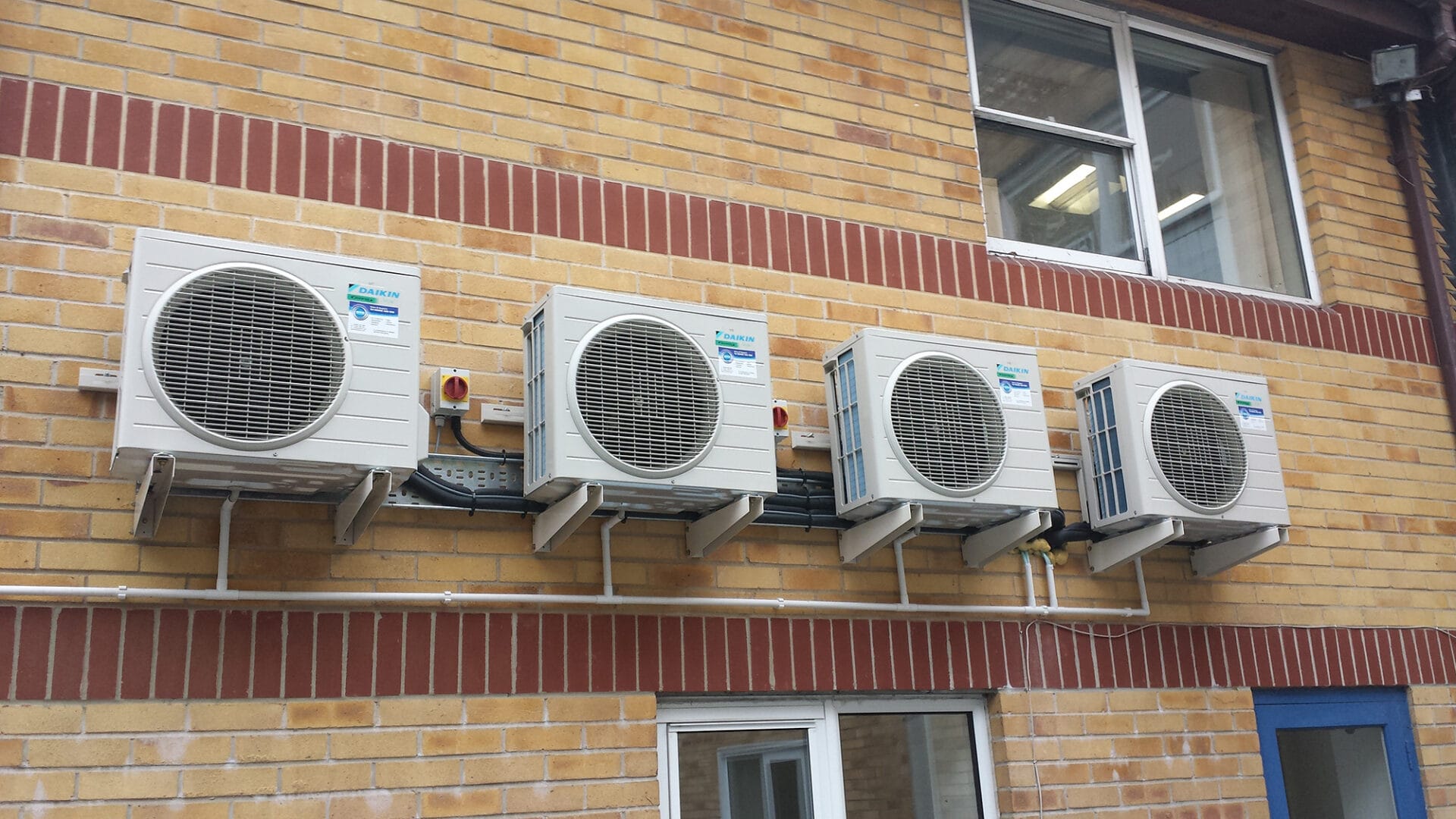
In addition to regular maintenance, companies should be aware of the signs that their commercial AC system may need service. Strange noises, irregular cooling, and rising energy bills are signals that something may be wrong. Addressing these issues quickly can avert bigger problems down the line and guarantee that the AC system continues to deliver the required comfort and efficiency. By focusing on roofing services and care of commercial AC, businesses can create a comfortable working environment while safeguarding their resources.
Energy Efficiency and Technological Advancements in Business Air Conditioning
Power effectiveness has become a vital factor in commercial air conditioning decisions, propelled by increasing power costs and legal requirements. Modern business air conditioning systems are built with advanced technologies that enhance power use, such as adjustable speed compressors and smart thermostats. These technologies enable systems to modify cooling output based on real-time demands, resulting in notable power savings and lower utility bills. Investing in energy-efficient models not just reduces CO2 footprints but can also make eligible businesses for refunds and incentives.
Smart technology is changing the commercial air conditioning landscape by introducing connectivity features that improve system management. Building owners can monitor their HVAC systems from a distance, allowing timely adjustments based on occupancy and surrounding conditions. This connectivity also enables predictive maintenance, where problems are identified before they escalate into costly repairs. By leveraging data analytics, businesses can optimize their air conditioning consumption patterns, improving comfort while minimizing energy expenditure.
As the emphasis on sustainability increases, eco-friendly coolants and design practices are also becoming more common in business air conditioning systems. New laws are pushing manufacturers to adopt substitutes to conventional refrigerants with lower global warming potential. Moreover, new technologies like solar-assisted systems and geothermal heating and cooling are leading to more sustainable options. By keeping abreast of these developments, businesses can not just comply with laws but also enhance their operational effectiveness and corporate social responsibility in a challenging marketplace.