Outside the Blueprint: The Skill and Discipline of Surveying
In the field of real estate, construction, and land administration, land surveyors play an indispensable role that often goes overlooked. They combine art and science to accurately measure and define property lines, ensuring that developments proceed without hurdles while avoiding potential disputes. Whether you are a landowner considering a purchase, or embarking on a building venture, understanding the roles of surveyors is essential. From property surveys that prevent costly property disputes to comprehensive documentation that aid in adhering to regulations, their work lays the basis for a fruitful property exchange or construction endeavor.
As technology advances, the surveying industry is transforming, integrating state-of-the-art equipment like global positioning systems and unmanned aerial vehicles to enhance accuracy and productivity. This evolution brings about various types of surveys, each tailored to particular requirements and situations. In this article, we will delve into what a surveyor does, the value of property surveys before land sales, and the myriad of ways surveyors aid not only single ventures but also broader development initiatives. By discussing these aspects, we aim to highlight the essential role these experts play in creating our physical spaces and to provide property owners with the understanding needed to manage the land surveying landscape effectively.
The Role and Importance of Surveyors
Land surveyors play a critical role in the development and management of land and property. They are responsible for defining precise boundaries and measurements, which are necessary for property ownership and construction projects. By providing reliable data regarding land topography, location, and dimensions, surveyors help property owners ensure that their projects comply with local regulations and legal requirements. This expertise avoids expensive errors and misunderstandings that can arise during the development of property ownership.
One of the key aspects of a surveyor's job is conducting property line surveys. These surveys are imperative for establishing property lines and preventing costly disputes between neighbors. By accurately defining these boundaries, surveyors help maintain order in communities and protect property rights. Additionally, their work aids resolutions in legal disputes regarding land use, ensuring that property owners have a definite understanding of their rights and responsibilities.
In construction projects, surveyors contribute significantly to mitigating risks and avoiding errors. They provide essential information that contractors rely on to place structures correctly and adhere to zoning laws. The integration of advanced technology, such as GPS and drone surveying, enhances the precision and efficiency of their work, making it more straightforward to gather and analyze data. Overall, surveyors are vital to the efficient planning, execution, and compliance of property developments, infrastructure projects, and land management, highlighting their role in the construction and property industries.
Understanding Terrain Surveys and The Various Types
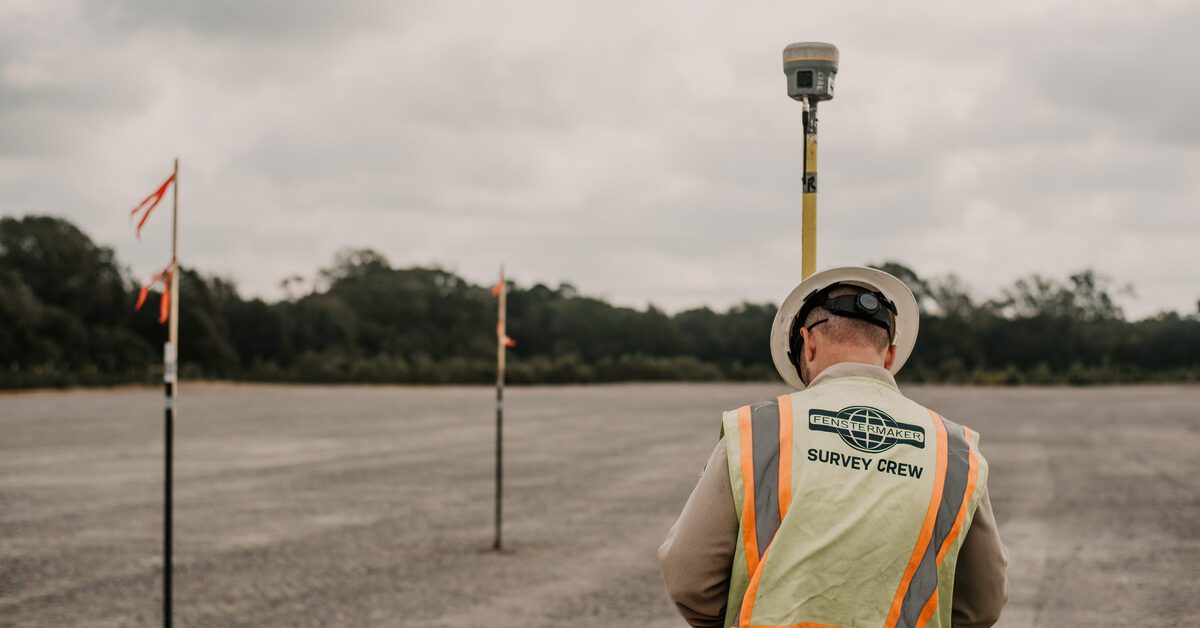
Land surveys represent essential in defining property lines, analyzing terrain characteristics, and supplying valuable data for various land and development initiatives. Using accurately measuring property together with its boundaries, surveyors utilize a mix of classic methods as well as contemporary technology to produce comprehensive maps along with documents that function as points of reference for the benefit of property owners, builders, and legal entities. Grasping the multiple kinds of land surveys available can assist property owners as well as contractors form informed judgments when participating in real estate transactions and development work.
A typical kinds of property surveys includes the boundary identification survey, that identifies the accurate location of property lines. Such surveys prove to be vital for avoiding disputes between neighbors as well as ensuring adherence with local regulations. A further significant type is the land topography survey, which charts the altitude and contours of the site. Such data proves to be crucial in organizing construction projects, as it assists pinpoint the natural features of the site and possible difficulties related to the land. Utility surveys, that locate the locations of hidden services, and specialized property surveys, customized in the case of commercial dealings, are also essential according to the project's requirements.
Along with such traditional surveys, innovations in technology typically have introduced new approaches including Global Positioning System as well as drone surveying, improving exactness and productivity. Such contemporary methods permit surveyors to survey large areas rapidly and offering precise data that can improve the precision of surveys. By way of understanding the various forms of property surveys and the technological tools employed, real estate owners can more effectively navigate the challenges of property ownership as well as development, ensuring their projects move forward without problems and avoiding unexpected law-related as well as monetary issues.
Hiring a Surveyor: Key Considerations
In the process of hiring a surveyor, your initial action should be recognize what you specifically need. Diverse surveying tasks call for different expertise, so think about the type of survey necessary—including a boundary survey, topographic survey, or ALTA/NSPS survey. By recognizing the requirements of your project, you can narrow down the search for a capable surveyor. Each type of survey serves a unique role, and understanding these nuances can help you select a surveyor with the right specialization.
After you possess a clear understanding of your needs, it’s important to vet potential surveyors thoroughly. Verify their qualifications, experience, and licensing to ensure they meet the standards set by your state or country. Request references and review their previous work to determine their reliability and quality. Engaging with a surveyor who has a strong reputation and relevant experience can greatly impact the accuracy and reliability of the results.
In conclusion, go over costs upfront and be sure to understand what encompasses the fee. Surveys can change in price depending on factors including location, size of the property, and complexity of the survey. Direct communication about costs and the expected timeline can help avoid confusion later on. Being informed about Drone Surveys Reading Berkshire will help you formulate a comprehensive decision when employing a surveyor for your project.