Charting the Future: In What Way Quantified Building Surveys Shape Design
In the quickly advancing field of architectural design and construction, the value of accurate data is crucial. Measured building evaluations have a crucial part in offering the essential information necessary for successful design and renovation initiatives. Such surveys capture detailed dimensions and characteristics of pre-existing structures, permitting architects and builders to envision their plans accurately and make knowledgeable decisions. In the future, understanding how accurate building surveys can affect design is crucial for anyone involved in the built environment.
While technologies continue to develop, methods of performing these surveys are growing more sophisticated. From classic measurement techniques to advanced laser scanning and drone methods, the tools at hand for obtaining data are transforming the way we approach building surveys. This article will discuss the significance of measured building surveys, how they bolster various projects, and the myriad benefits they offer to architects and property stakeholders alike. Whether you're a seasoned professional or a newcomer to the field, this comprehensive guide will help you appreciate the crucial role of measured building surveys in defining the future of design and construction.
Understanding Measured Construction Surveys
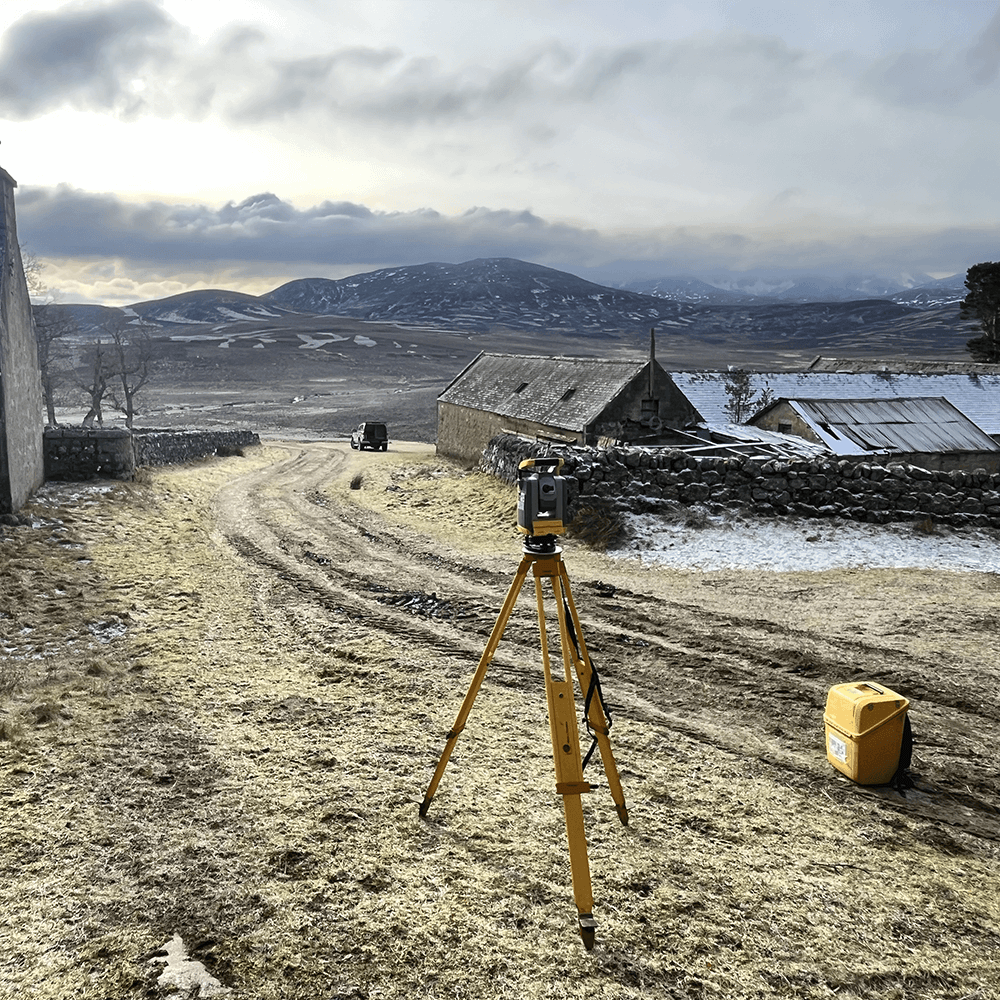
Measured construction surveys constitute thorough evaluations which record the sizes and geometric interrelations of a facility. They use a blend of conventional surveying methods and cutting-edge techniques to generate comprehensive depictions of structures, including ground blueprints, elevations, and sections. These evaluations provide vital information for architects, professionals, and property agents, enabling them to grasp existing situations ahead of initiating restoration or development tasks.
The importance of quantified building evaluations is crucial. They confirm that the architectural phases are grounded in accurate models of the actual space. By depending on accurate dimensions, designers can steer clear of costly blunders that may happen from wrong conjectures about a structure's scale. In addition, these assessments play a key role in historic conservation projects, where understanding the original form is vital for restoration work.
In the current swiftly evolving tech environment, measured construction surveys have changed with the integration of devices such as laser measurement and drone systems. These developments yield high-resolution data that boosts the precision of evaluation findings, enabling improved design plus design results. As Visit website adopts digital processes, the role of calculated structure assessments in securing program achievement is ever-increasing, making them an indispensable part of current design and building practices.
Benefits and Applications
Measured building surveys offer numerous benefits essential for various architectural and construction projects. A key benefit is the great accuracy they provide, which ensures that dimensions and details are accurately captured. This precision helps architects and designers make informed decisions based on accurate data, reducing errors during the design phase and diminishing costly revisions later on. Accurate measurements also streamline the planning process, allowing for smooth project timelines.
The applications of measured building surveys are wide-ranging, ranging from renovation projects to new construction planning. For example, in renovation projects, comprehensive surveys help identify existing structural elements, which can be crucial for integrating modern design with historic features. Additionally, these surveys assist in comprehending the flow of space, allowing architects to create functional designs that maximize usability. Facilities management also benefits from the comprehensive data provided by these surveys, facilitating better maintenance and operational strategies.
Newly developed technologies, such as laser scanning and drone surveys, have greatly improved the capabilities of measured building surveys. These innovations allow for fast data collection and the creation of highly detailed 3D models, which facilitate advanced design visualization and analysis. As industries continue to utilize these technologies, the demand for reliable measured surveys will likely increase, highlighting their importance in effective construction and design projects.
Future of Measured Construction Surveys
The future of measured building surveys is poised for major change as technology continues to advance. Innovations in laser scanning, unmanned aerial vehicle technology, and three-dimensional modeling are increasingly integrated into surveying practices, improving the precision and efficiency of information gathering. As these technologies progress, we can expect to see measured building surveys turning increasingly accurate, enabling architects and builders to make informed decisions with a higher degree of confidence.
Another new trend is the incorporation of Building Information Modeling into the site assessment methodology. This holistic strategy not only simplifies the gathering and visualization of data but also fosters collaboration among different partners in a building project. With BIM, measured construction surveys will play an increasingly essential part in aiding renovation initiatives and new constructions, ensuring that each component is crafted and implemented with precision.
As eco-friendliness becomes a key theme in the building industry, quantified construction assessments will also adapt to address these emerging challenges. Precise data from assessments will be vital for assessing the efficiency of buildings and for planning updates that minimize environmental impact. This shift towards more sustainable methods will not only boost the relevance of quantified construction surveys but will also connect them with the industry's broader objectives of productivity and eco-friendliness.